+86 13956421256

Product demonstrations are the heartbeat of sales. They bridge the gap between product features and customer needs, turning curiosity into conviction.
Whether you're a startup or an established player, mastering the art of product demos can significantly boost your conversion rates and accelerate growth.
This guide will walk you through everything you need to know about crafting compelling product demonstrations that resonate with your audience and drive results.
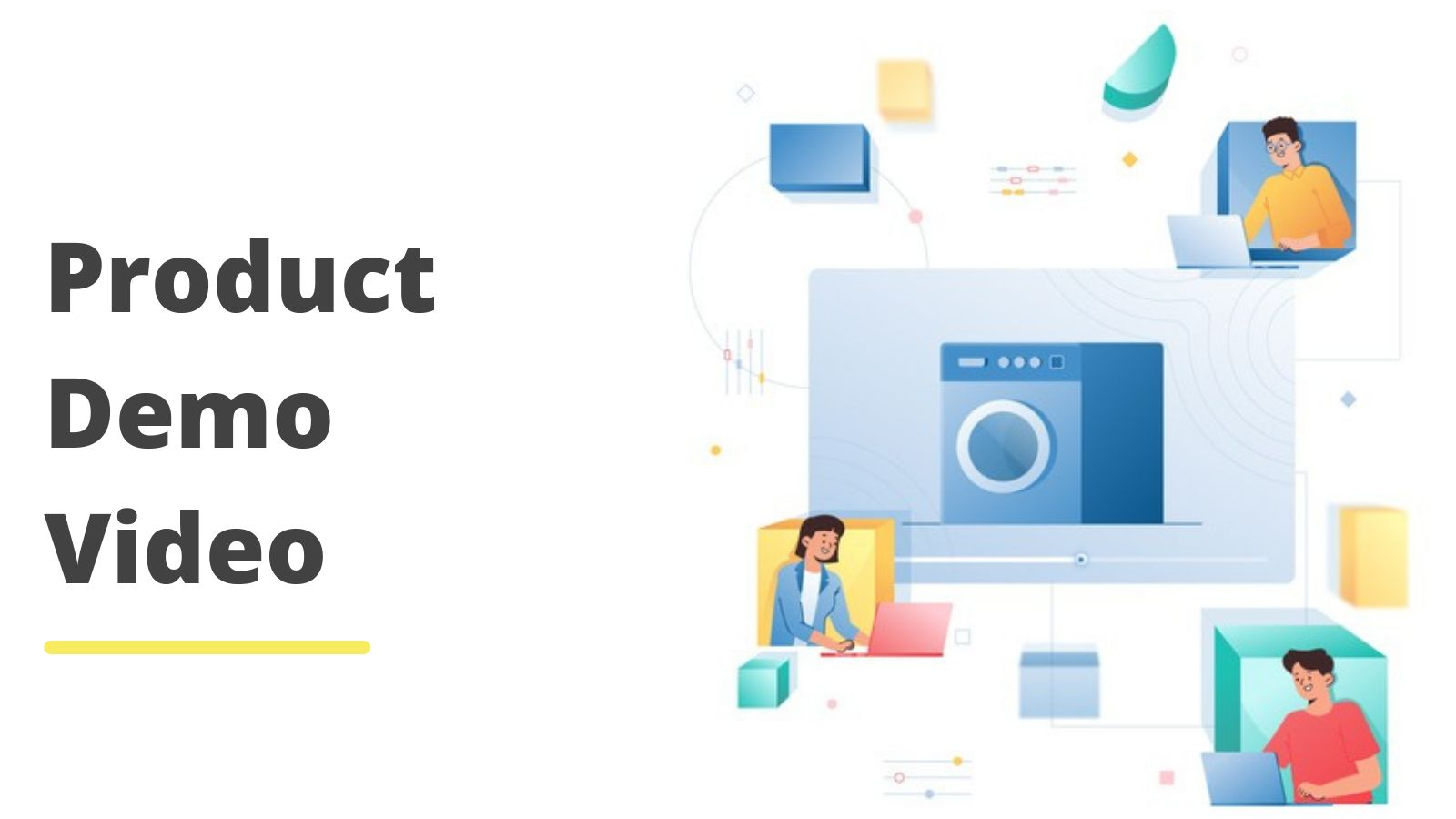
A product demonstration is a focused software demo presentation that showcases a product's key features, benefits, and applications. It's a vital tool in sales and marketing, designed to:
1. Highlight the product's value
2. Illustrate its practical uses
3. Address potential customer needs
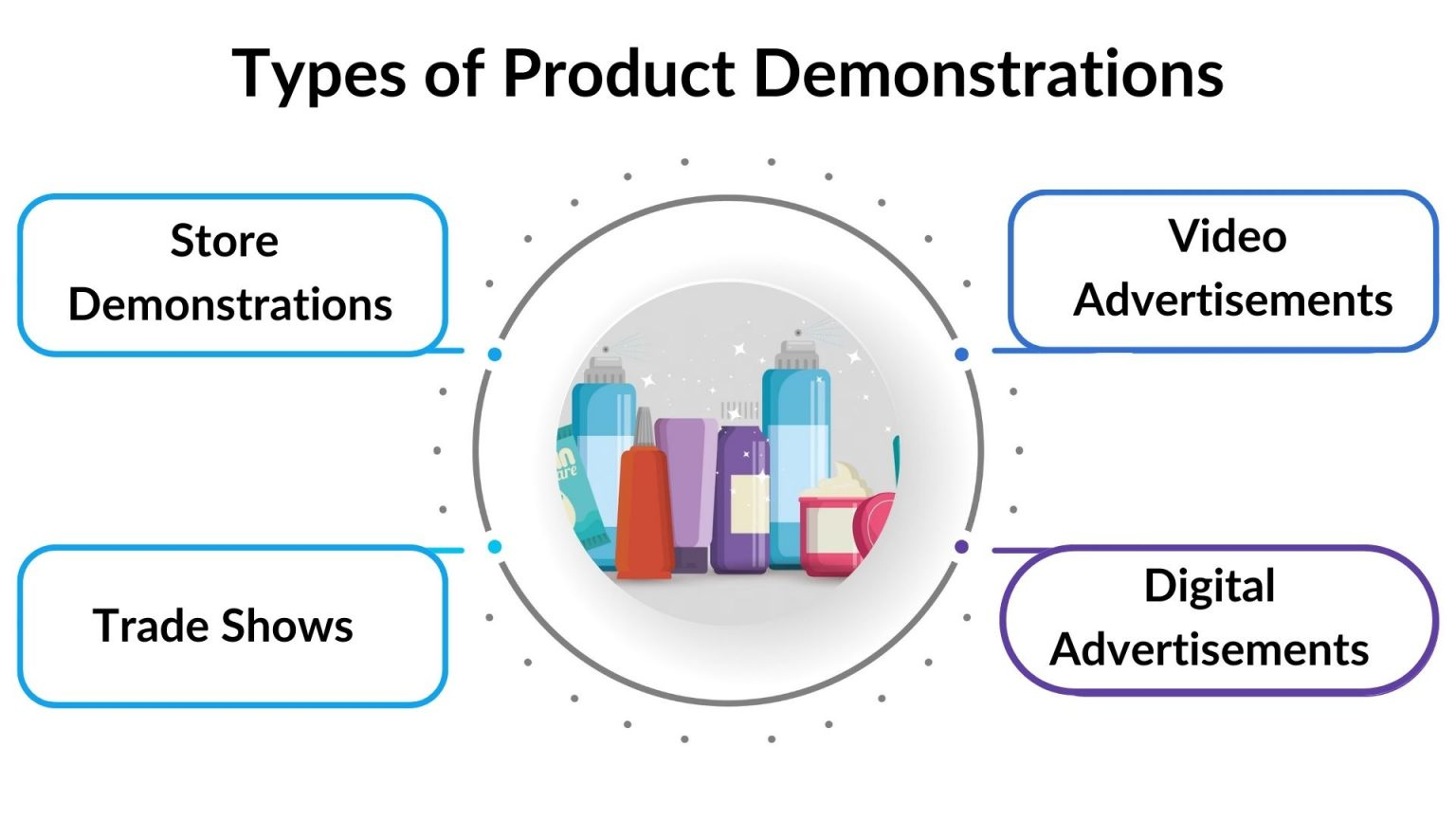
Product demos can take various forms:
· Live presentations
· Interactive product demos
· Pre-recorded videos
· Webinars
The primary goal is to give potential customers a clear understanding of how the product works and why it's worth their investment. Whether it's software, hardware, or a service, a well-executed demo can significantly influence purchasing decisions.
Modern, effective product demonstrations go beyond mere descriptions. They provide hands-on experiences or visual representations that allow the audience to envision how the product could solve their specific problems or improve their processes.
Let's take a detailed look at the benefits of product demonstrations and why you should focus on creating the perfect product demos:
Product demonstrations serve as a powerful catalyst in the sales process, significantly accelerating the journey from initial interest to final purchase.
By providing potential customers with a hands-on experience, demos offer a clear and concise understanding of the product's value proposition.
This direct interaction allows customers to quickly grasp how the product addresses their specific needs, leading to faster decision-making. As a result, the sales cycle is streamlined, potentially boosting overall sales figures and improving the efficiency of the entire sales funnel.
One of the most compelling aspects of product demonstrations is their ability to prove a product's effectiveness in real time. Unlike marketing materials or sales pitches, demos provide tangible evidence of a product's capabilities and performance. This firsthand experience builds customer confidence in both the product and the brand behind it.
By showcasing how the product solves real-world problems or enhances existing processes, demonstrations move beyond mere claims, offering concrete proof of value. This visual and interactive validation can be particularly powerful in industries where reliability and performance are crucial factors in purchasing decisions.
Product demonstrations also offer an invaluable opportunity for direct customer feedback. During a demo, potential buyers can ask questions, raise concerns, and provide immediate reactions to the product's features and functionality.
This real-time interaction creates a goldmine of insights for product development teams. By identifying common pain points, areas of interest, or potential improvements, companies can refine their offerings to better meet market demands. Moreover, this two-way communication fosters stronger relationships with customers, showing that the company values their input and is committed to meeting their needs.
A well-executed product demonstration can create a powerful sense of ownership among potential customers. By allowing users to interact with the product in a meaningful way, demos serve as a risk-free trial experience. This hands-on approach helps customers envision how the product would fit into their own workflows or solve their specific challenges.
As customers engage with the product, they become more invested in its potential benefits, which can significantly reduce perceived risks associated with the purchase. This psychological ownership can be a key factor in overcoming objections and nudging customers toward a positive buying decision.
Beyond showcasing the product itself, product demonstrations provide an excellent platform for reinforcing brand identity. The style, language, and overall presentation of a demo can be tailored to reflect the company's unique personality and values. This cohesive brand experience helps create a lasting impression on potential customers, improving brand recall and differentiation in a crowded marketplace.
By aligning the demo with the company's broader mission and ethos, businesses can create a more emotional connection with their audience, moving beyond feature comparisons to establish a deeper brand relationship.
One of the key strengths of product demonstrations is their adaptability to specific customer needs. Unlike generic marketing materials, demos can be customized to address the unique requirements of different industries, company sizes, or use cases. This tailored approach ensures that the demonstration remains relevant and engaging for each audience.
In fact, 40% of buyers prefer personalized product demonstrations to make software purchase decisions.
By highlighting features and benefits that directly align with a customer's pain points, demos can clearly illustrate how the product fits into existing workflows or integrates with current systems. This level of customization not only improves the effectiveness of the presentation but also shows potential customers that the company understands and values their specific needs.
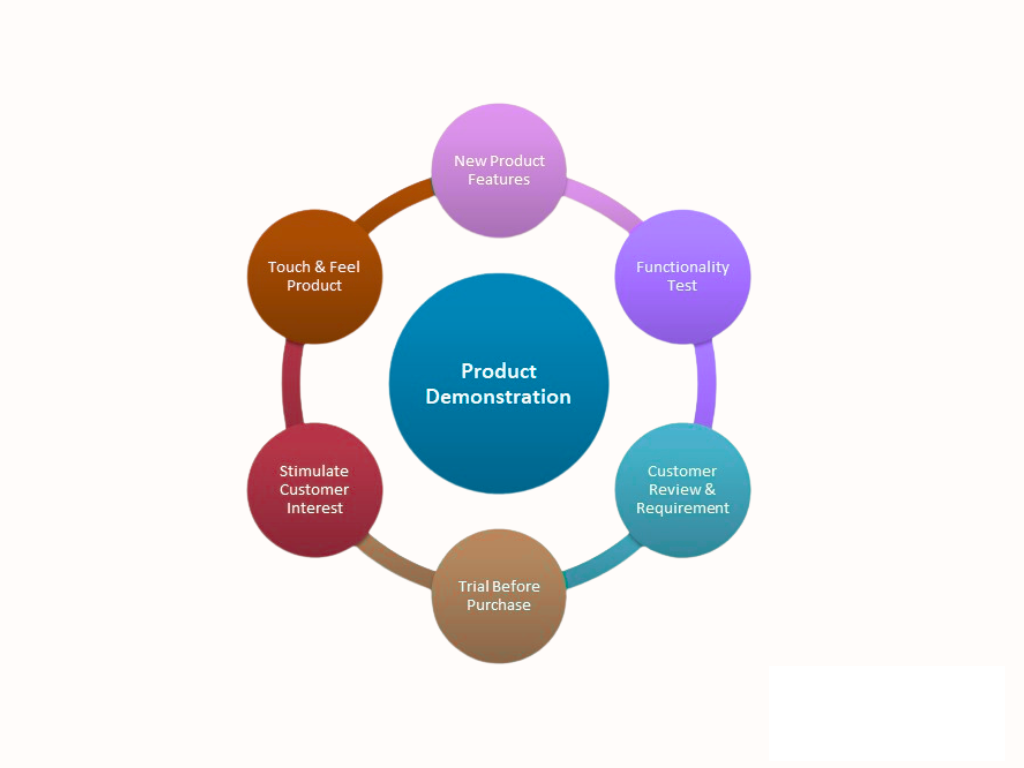
In general, here are the factors that make a good product demo-
Sales demos can be referred to as product demonstrations, sales demos, SaaS demos, or simply “demos.”
According to Hubspot, there is a distinction between product demos and sales demos. Sales demos are provided to potential customers, while product demos are given to existing customers. But, Jacco van der Kooji, a thought leader in the SaaS industry, believes that they are identical.
A successful product demonstration is a process of effectively demonstrating how a product functions and highlighting its advantages. It is a persuasive tool that engages customers and encourages them to make a purchase.